
“Good work, reasonable, prompt AND pleasure to work with. Highly recommended.”
Job: Outlets, GFCIs, meter box and breakers to bring an old house up to code
ML
Marc L.
Philadelphia, PA
We convert fluorescent, halogen and incandescent lighting to LED for Philadelphia and Main Line homes, offices, shops and warehouses. You get a fixture-by-fixture plan, listed LED products, rewiring done by licensed electricians, and one written price before work starts.
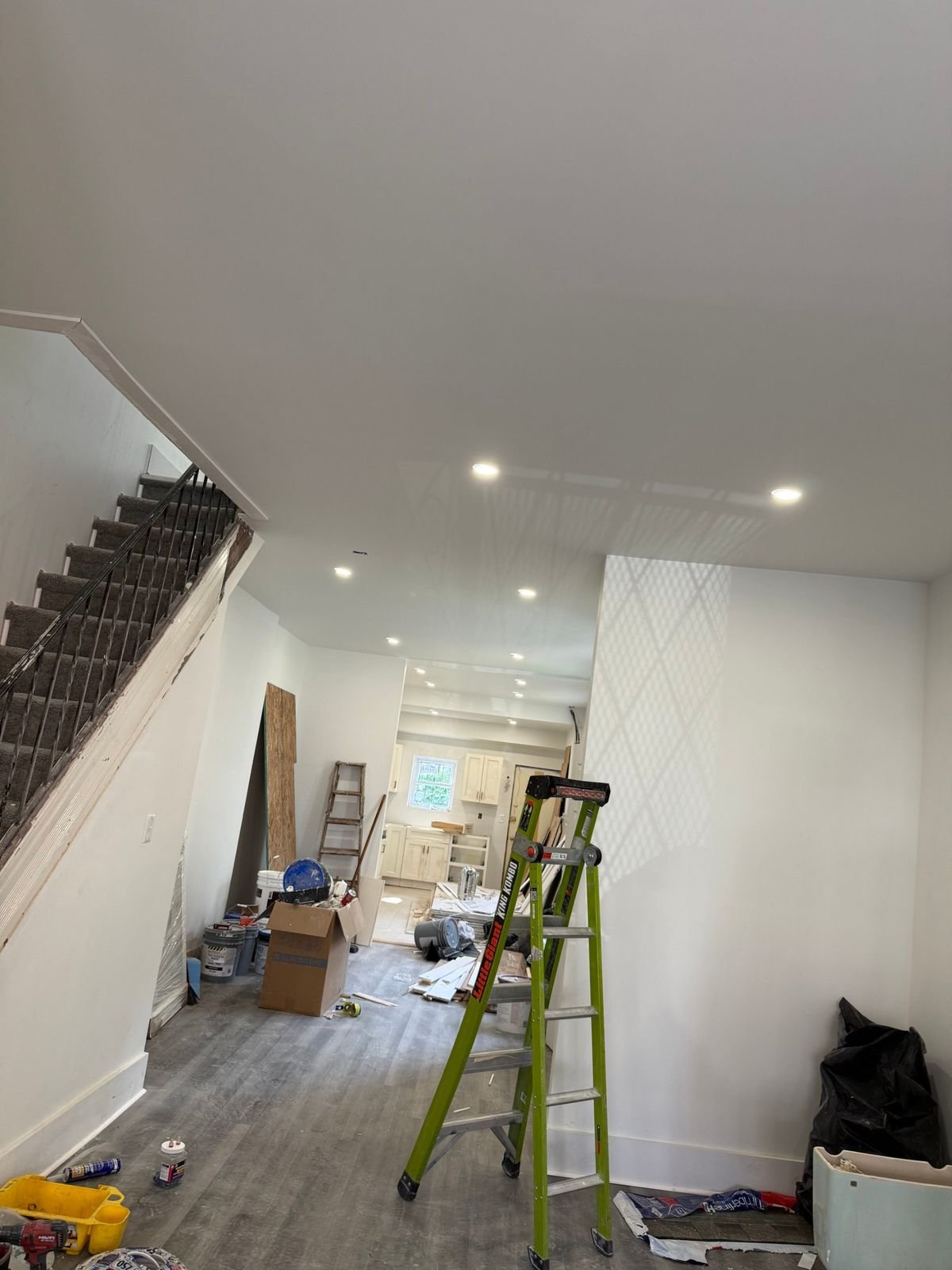
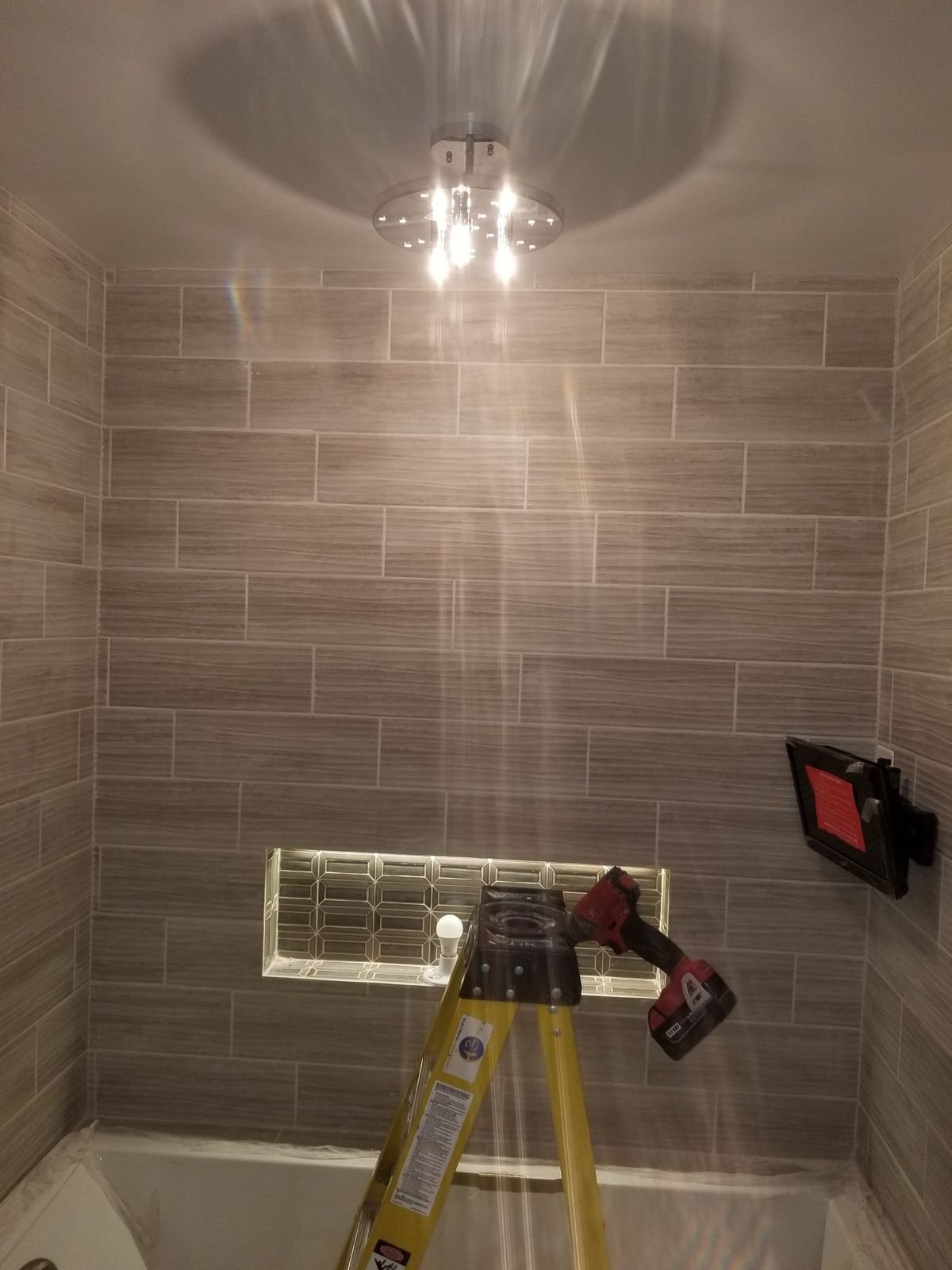
An LED lighting retrofit converts the fixtures you already have to LED instead of tearing them out. Recessed cans get LED trims, fluorescent troffers get LED tubes or retrofit kits, and fixtures too worn to save get replaced. Electrical Hazards, Inc. handles LED lighting retrofits in Philadelphia, PA for homes and commercial buildings under City electrical contractor license #37352.
The reason to do it is cost: the U.S. Department of Energy says residential LEDs use at least 75% less energy and last up to 25 times longer than incandescent lighting. Fewer burnouts also means fewer ladder and lift trips.
The fixture housings, the ceiling, your circuits and your switch locations. No new holes for a standard retrofit.
Lamps, trims and lenses, sockets where they are worn, and the ballast, which gives way to an LED driver or a direct line-voltage feed.
Fluorescent tubes and old ballasts. Tubes contain mercury, so they go to a lamp recycler, not the dumpster.
The right method depends on the fixture, the ballast and how long you plan to keep the space. We list the option for each fixture type in your quote.
The LED tube runs on the fixture's existing fluorescent ballast. Nothing is rewired.
We remove the ballast and wire line voltage to the sockets. The tube has its own driver inside.
The tubes run at low voltage from a separate LED driver mounted in the fixture.
The inside of a troffer is replaced with an LED panel or LED strips and a driver. The housing stays in the grid.
An LED trim with its own driver goes into the existing recessed can and connects by socket adapter or hardwire.
The old fixture comes out and a new integrated LED fixture goes in its place.
LED tubes are listed under UL 1993 and retrofit kits under UL 1598C. We install only listed products, by their instructions.
A residential LED retrofit in Philadelphia, PA usually starts with the lights that run longest: kitchen cans, basement tubes and the garage. These are real homes we have lit.
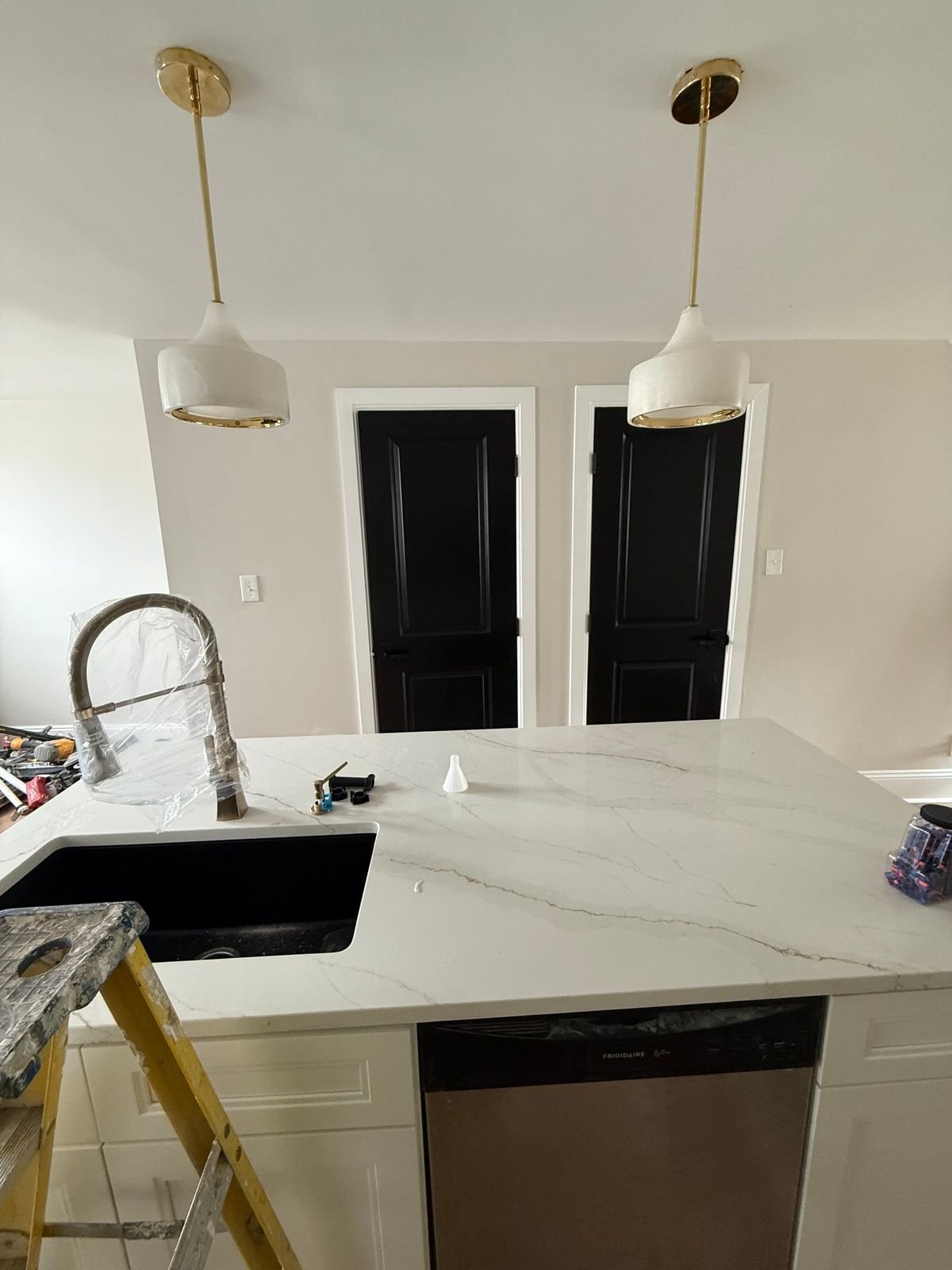
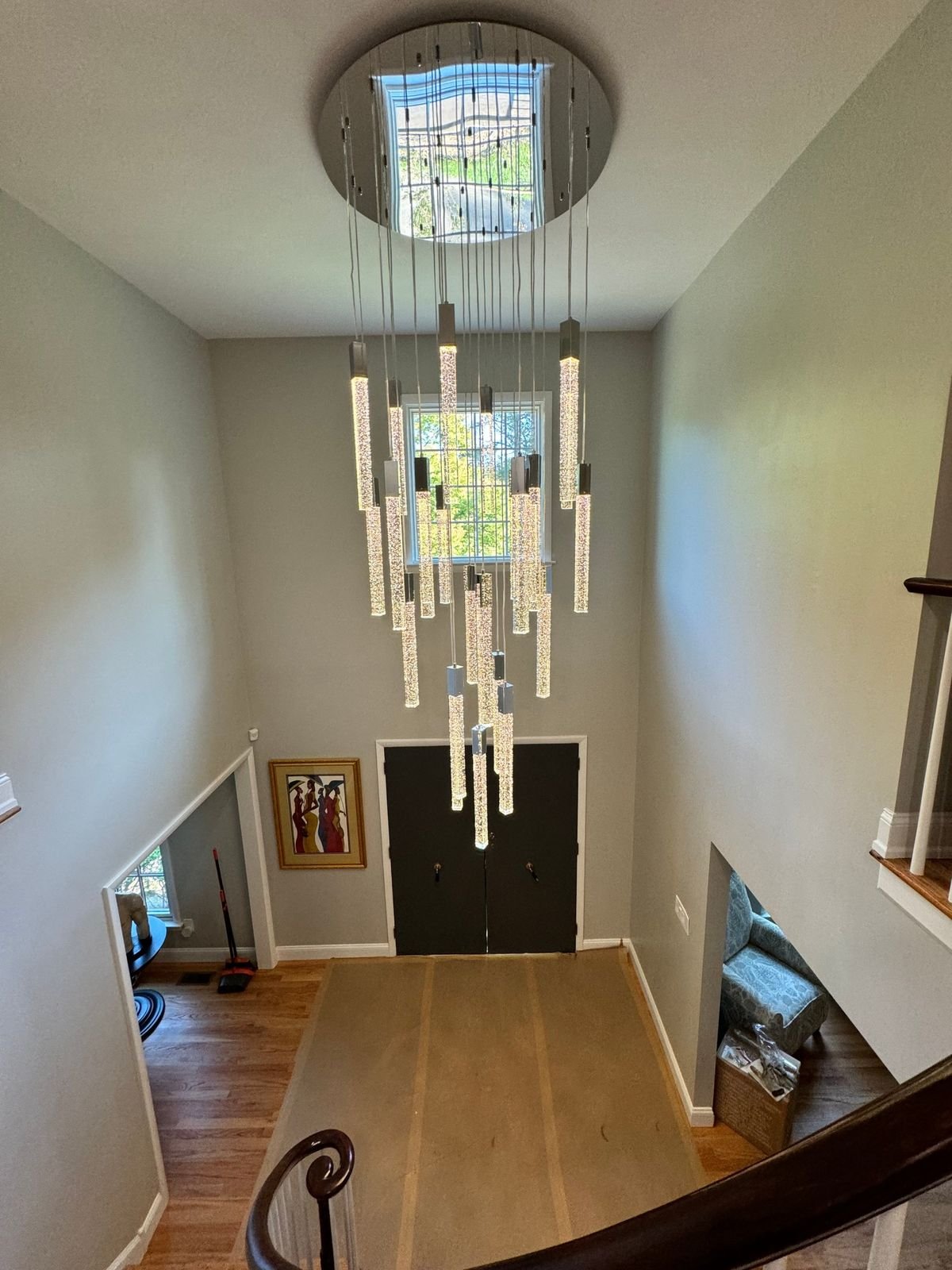
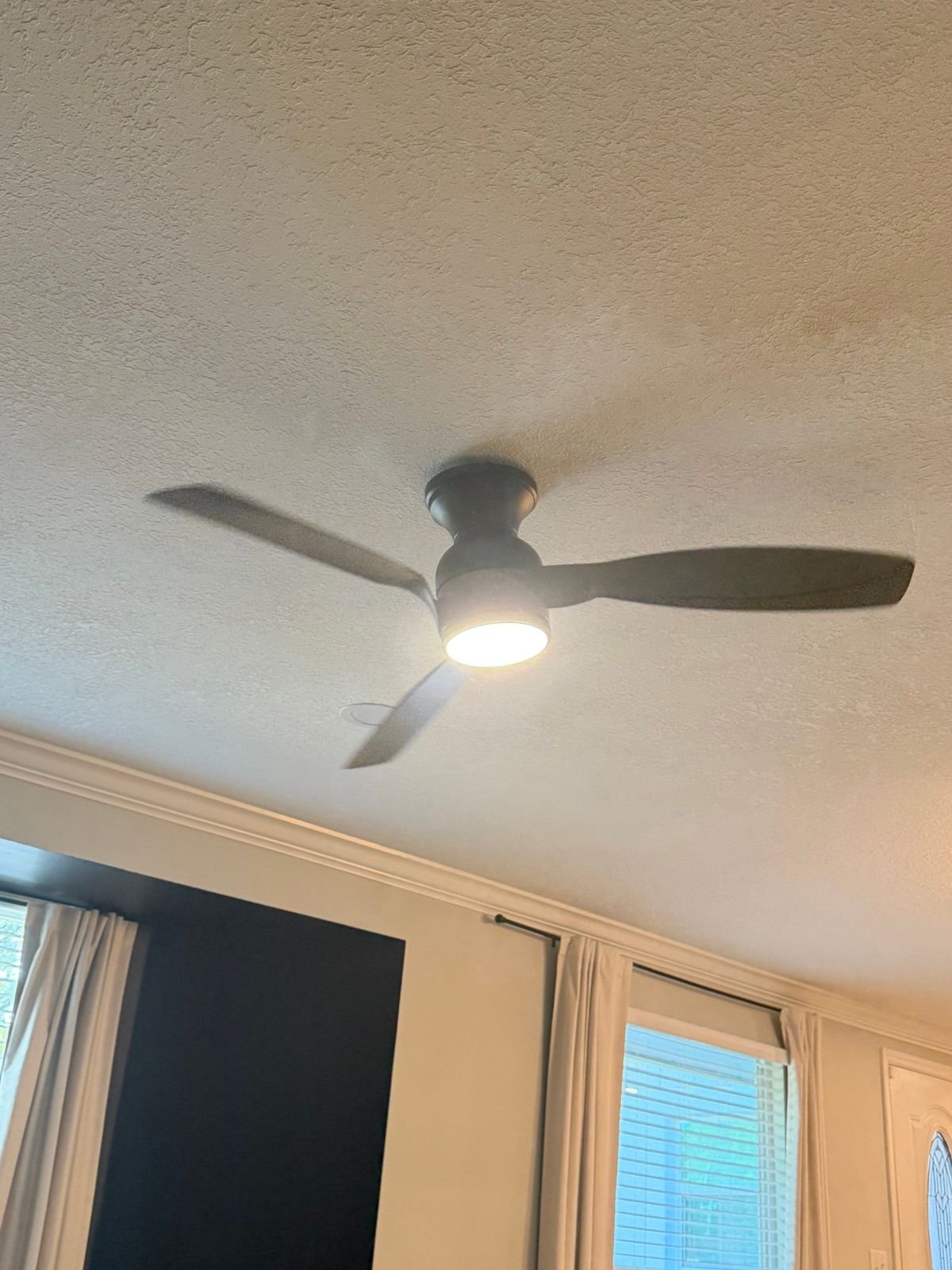
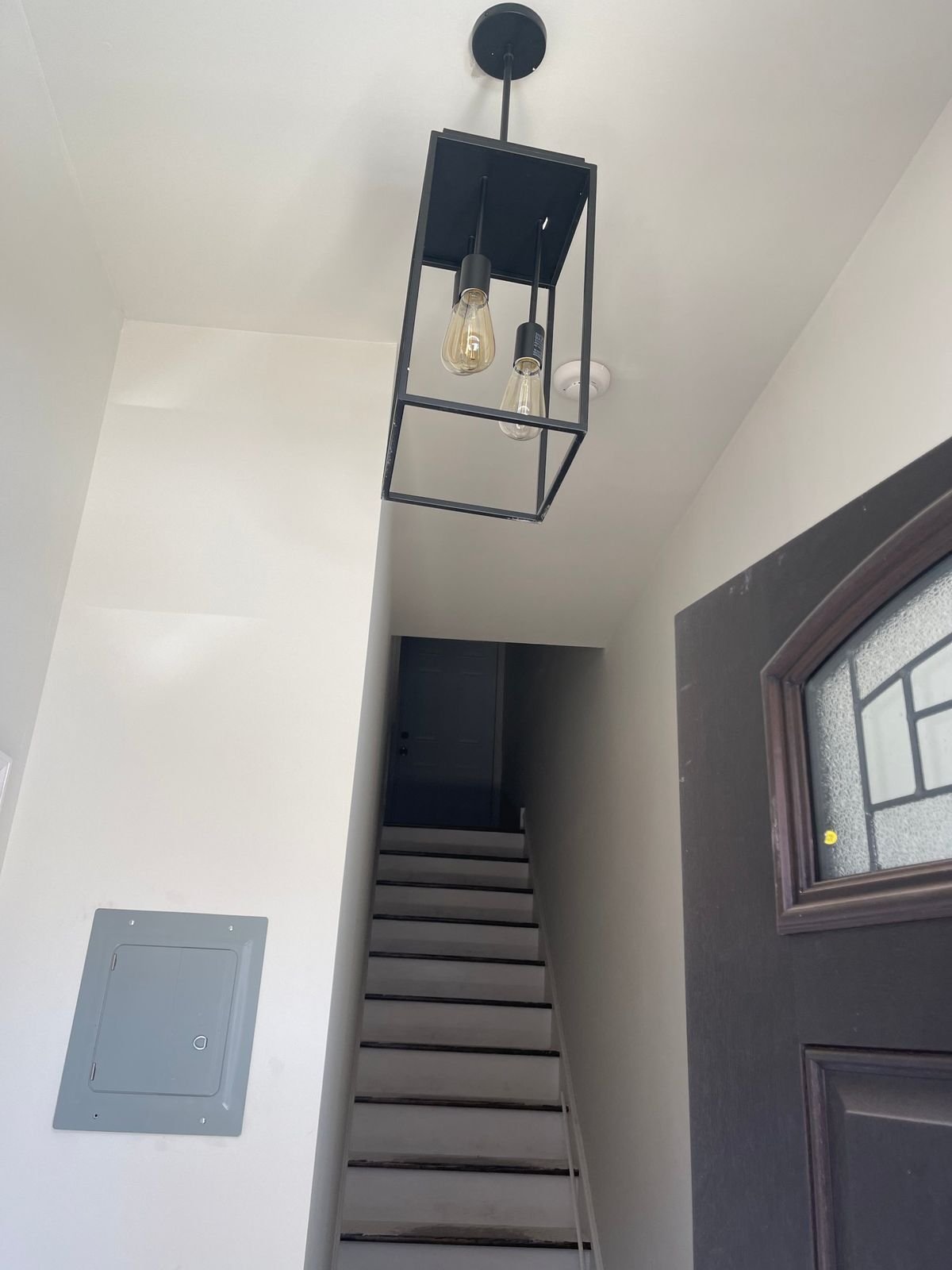
Buzzing fluorescent shop lights get ballast-bypass tubes or LED fixtures that start at full brightness in a cold garage.
Color temperature is measured in Kelvin. Lower is warmer. Many trims let us switch it on site, so you can see it before we finish.
In pre-1978 Philadelphia homes, any retrofit that means cutting painted plaster follows EPA lead-safe work practices. We are an EPA Lead-Safe Certified Firm, NAT-F164781-2.
A commercial LED retrofit in Philadelphia, PA cuts the lighting part of your PECO bill and the cost of chasing failed tubes and ballasts. We retrofit offices, retail, restaurants, warehouses, parking garages, churches, schools and apartment common areas, and we schedule around your hours.
Fluorescent T8 and T12 troffers to LED kits or ballast-bypass tubes, without touching the ceiling grid.
Metal halide and T5HO high bays to LED. No warm-up wait, and fewer lift rentals.
Exterior wall packs, pole heads, canopies and floods to LED, on photocells or timers.
LED fixtures with bi-level sensors that drop to a low level instead of shutting off where egress light must stay on.
Fixtures with emergency ballasts get LED emergency drivers, then a battery test.
Non-residential Philadelphia buildings this size owe the City a tune-up that includes a lighting assessment.
Pick a fixture type, then change the numbers to match your building. The math runs in your browser and nothing is sent anywhere.
Wattages are typical figures including the ballast. The rate is an example; use the total price per kWh from your PECO bill. Real savings depend on your fixtures and hours, and our quote uses your actual counts.
Money on the table and rules that apply to your building. We sort these out during the quote so nothing surprises you after the lights are up.
PECO's Smart Ideas for Your Business program offers lighting incentives, including instant discounts at participating distributors. LED products have generally needed DLC or ENERGY STAR listing, and some projects need a pre-installation inspection, so we check the current rules before anything is ordered.
Source: PECO instant incentivesPhiladelphia's Building Energy Performance Policy requires a tune-up of large non-residential buildings every five years, and the tune-up includes a lighting system assessment. A retrofit can close lighting items before the specialist arrives.
Source: City of PhiladelphiaThe 179D energy-efficient building deduction does not apply to projects that begin construction after June 30, 2026. If your project started earlier, ask your tax advisor whether it qualifies.
Source: U.S. DOEFluorescent lamps contain mercury. Pennsylvania DEP requires businesses to manage them as universal waste or hazardous waste, not trash, and prohibits crushing them. Ballasts made before 1979 may contain PCBs.
Source: PA DEPLamp swaps and like-for-like fixture replacements generally do not need a City electrical permit. New circuits, added fixtures and new control wiring do. When a permit is needed we file it, and a licensed electrical inspection agency inspects.
Source: phila.govMost LED complaints are control problems, not bad LEDs. Here is what we see most, what causes it, and how we fix it.
Larger commercial lighting alterations can bring energy-code control requirements, so we check them during design.
Every retrofit LED light installation we do follows these five steps. Commercial jobs run them floor by floor or area by area.
We count fixtures by room and type, and note lamps, ballasts, wattage, ceiling height and controls.
You get the method for each fixture type, color temperature, products and one written price.
We check PECO incentives before ordering, and file a permit when the work needs one.
Ballasts bypassed, sockets replaced where needed, kits and trims installed and every converted fixture labeled.
We test dimming, sensors and emergency drivers, recycle old lamps and give you the fixture list.
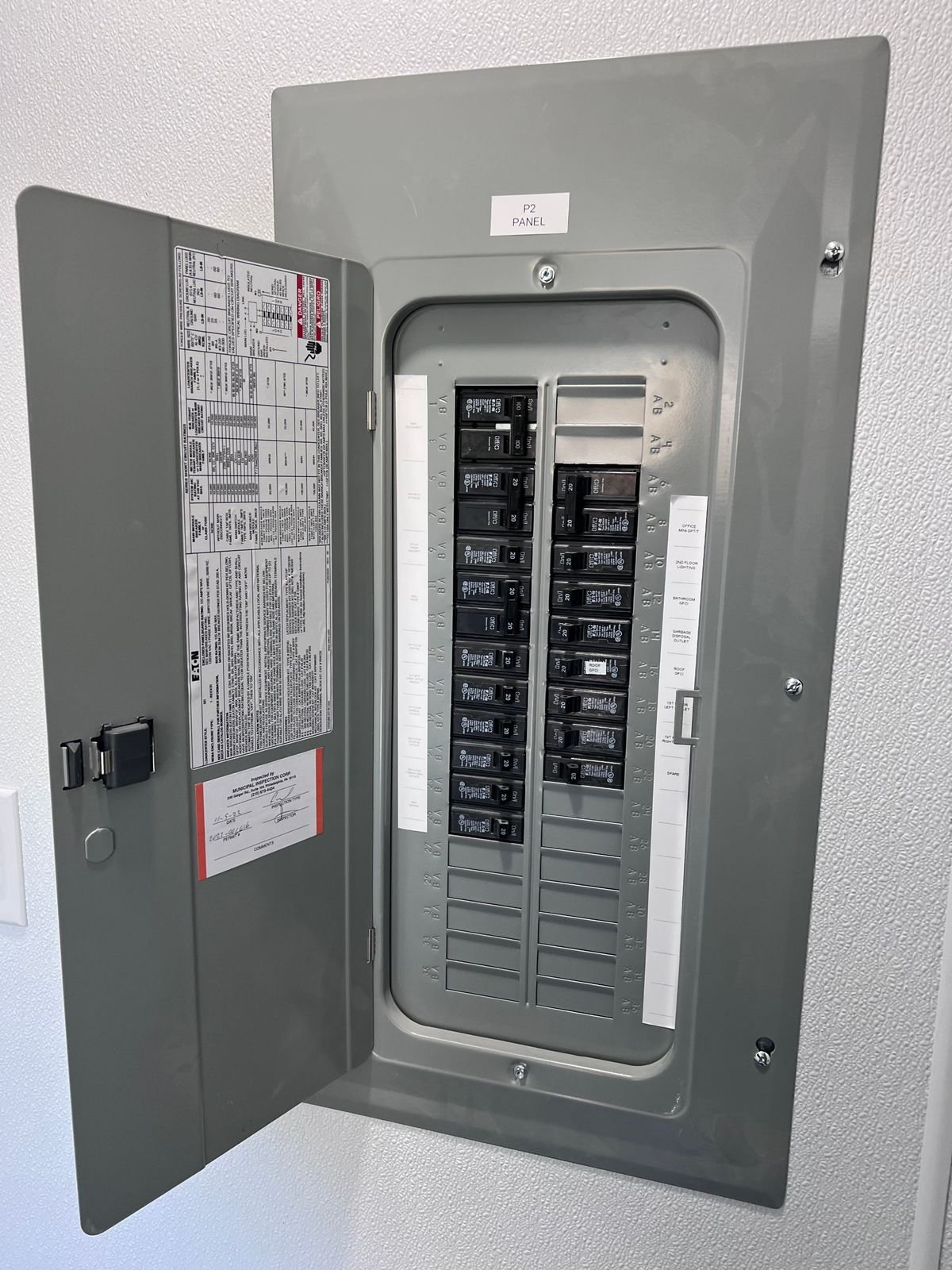
Every circuit we touch is labeled at the panel, and every converted fixture is labeled at the fixture.
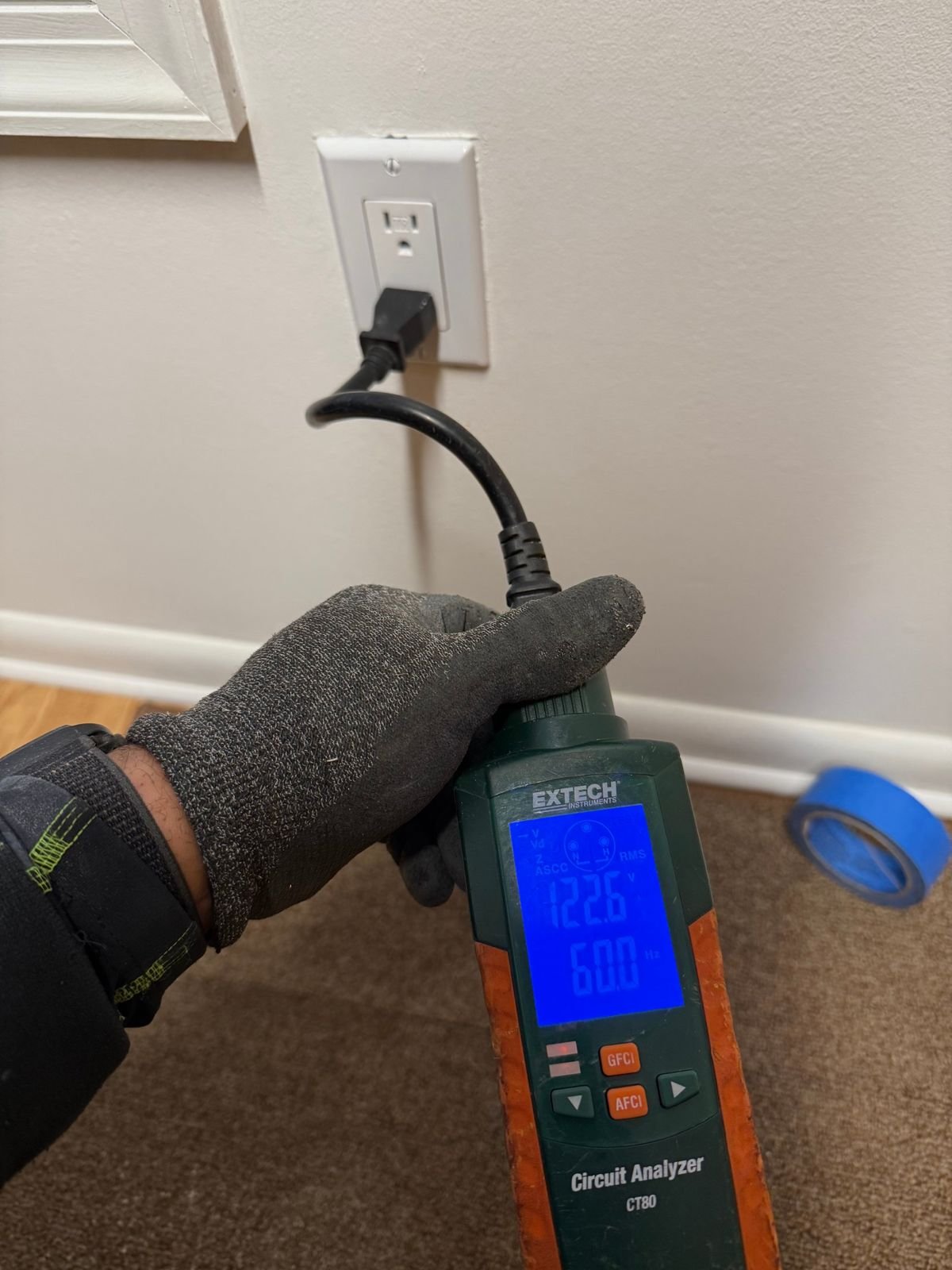
 ICC Certified
Many LED retrofit contractors in Philadelphia, PA sell product first and send installers second. We are an electrical contractor first. That matters because a ballast bypass puts line voltage on the sockets, old housings hide brittle wire, and emergency fixtures have to keep working after the change.
City of Philadelphia license #37352. Ballast bypass and new control wiring is electrical work.
An ICC Certified Commercial Electrical Inspector reviews how we build commercial work.
NAT-F164781-2, for retrofits that disturb paint in pre-1978 buildings.
Fixture counts, product spec sheets and recycling records for incentive applications.
We price per fixture type, so you see exactly where the money goes. These are the things that move the number.
Real reviews from our customers on Networx.
“Good work, reasonable, prompt AND pleasure to work with. Highly recommended.”
Job: Outlets, GFCIs, meter box and breakers to bring an old house up to code
“TOTALLY SATISFIED. Great price, work was completed on time and very professional.”
Job: New 220-volt line
“It's all I was looking for: great price, professional, and done right…”
Job: 220-volt line
Our office is at 145 W Swedesford Rd #1123 in Wayne. We retrofit homes and commercial buildings in Philadelphia and the Main Line towns listed here, and we pull permits with whichever office covers your address.
(267) 977-210661 questions homeowners and building owners ask us most. The popular ones are first. Filter by topic, or search if you already know what you need.
An LED retrofit converts an existing light fixture to LED without replacing the whole fixture. Depending on the fixture, that means LED tubes, an LED retrofit kit, or an LED trim in a recessed can.
Retrofit when the housings are sound and the layout works. Replace when housings are rusted, lenses are yellow and brittle, or you want a new look or layout. Many jobs mix both.
Type A runs on the existing fluorescent ballast. Type B bypasses the ballast and runs on line voltage. Type C runs from a separate LED driver mounted in the fixture.
The U.S. Department of Energy says residential LEDs, especially ENERGY STAR rated ones, use at least 75% less energy and last up to 25 times longer than incandescent lighting. Savings against fluorescent are smaller but still real.
Usually an old dimmer built for incandescent bulbs, a dimmer the LED driver doesn't support, or a failing ballast behind Type A tubes. We find the cause and fix it.
Yes. Most cans take an LED retrofit trim that screws into the existing socket or wires in. We check the housing first and size the trim to it.
LED products list a rated life, often as L70 hours, the point where light output drops to 70% of new. The driver matters as much as the LEDs, which is why we install listed, name-brand products.
Color Rendering Index measures how true colors look under the light, out of 100. For homes and retail, 90 or higher is a good target.
Yes. LEDs come on at full brightness in the cold, where fluorescent tubes often start dim and flicker.
They run much cooler than incandescent and halogen bulbs, but drivers still make heat. Enclosed fixtures need products rated for enclosed use.
Once the ballast is bypassed, the sockets carry line voltage. The label tells the next person not to install a fluorescent tube. We label every fixture we convert.
A kit replaces the inside of a troffer with an LED panel or strips and a driver, so the light is more even and the fixture looks new. Tubes cost less per fixture. We price both when it makes sense.
Ballasts made before 1979 may contain PCBs. Ballasts marked "No PCBs" do not. We set suspect ballasts aside for proper disposal.
They need an LED emergency driver after the conversion. We tag those fixtures, install the right driver and test the battery so egress lighting still works in an outage.
Yes. Metal halide and fluorescent high bays convert to LED high bays or kits. LEDs come on instantly instead of waiting for metal halide to warm up.
Yes, mostly through fewer lamp and ballast replacements and fewer lift rentals for high ceilings.
Yes, for commercial work where incentives are involved. Utility programs generally require DesignLights Consortium (DLC) qualified or ENERGY STAR certified products.
The 179D deduction does not apply to projects that begin construction after June 30, 2026. If your project started earlier, ask your tax advisor whether it qualifies.
Yes, using bi-level sensors that drop to a low level instead of shutting off where egress lighting has to stay on.
Yes. We check old housings and wiring first. Brittle cloth-covered wire or heat damage at the socket gets fixed before the LED goes in.
Yes, with LED track heads or LED lamps. Low-voltage MR16 track needs LED lamps that work with its transformer, or a new transformer.
Yes. When a retrofit means cutting painted plaster in a pre-1978 home, we follow EPA lead-safe work practices. We are an EPA Lead-Safe Certified Firm, NAT-F164781-2.
Often. Dimmers built for incandescent loads may flicker, buzz or not dim fully with LEDs. We replace them with LED-rated dimmers that match the fixtures.
A commercial dimming method where a separate low-voltage pair of wires tells the LED driver how bright to run. It needs drivers and controls built for 0-10V.
Sensors dim the lights near windows when there is enough daylight, which saves energy in perimeter offices and storefronts.
Some lighted or smart switches leak a small current through the LED driver. A switch that uses a neutral, or a different switch, fixes it.
Yes. Work in Lower Merion, Upper Merion, Wayne and Berwyn goes through the township that covers the address.
Check before. Some incentives are reserved when an application is approved, and some projects need an inspection before installation.
Yes. We walk the space, count the fixtures and give you a written price before any work starts.
Philadelphia, Lower Merion, Upper Merion, Wayne and Berwyn, plus nearby Main Line towns.
Call (267) 977-2106 or send the form on this page. Tell us roughly how many fixtures you have and what kind, and photos help.
It depends on the number and type of fixtures, ceiling height, and whether we install tubes, kits or new fixtures. We count your fixtures and give you a written price per fixture type before any work starts.
Only plug-and-play (Type A) tubes, and only if your ballast is on the tube maker's compatibility list. Other LED tubes need the fixture rewired first.
PECO offers business customers lighting incentives through its Smart Ideas for Your Business program, including instant discounts at participating distributors. Amounts and rules change, so we check what applies before you buy.
Replacing lamps, and replacing fixtures to existing conditions, generally doesn't need a City electrical permit. New circuits, added fixtures and new control wiring do. When a permit is needed, we file it.
Yes. We schedule offices, stores and common areas after hours, on weekends or floor by floor so your space stays open.
Many home retrofits take a day or less. Commercial jobs depend on fixture count, ceiling height and access, and the schedule is part of your quote.
Not if you pick the right color temperature. 2700K to 3000K looks warm like incandescent, 3500K to 4000K is neutral, and 5000K is cool daylight for garages and shops.
Lumens. Lumens measure light output and watts measure power used. Match the lumens you have now, or the light level the space needs.
LED tubes are evaluated under UL 1993 and retrofit kits under UL 1598C. A listed product installed by its instructions keeps the fixture safe. We install only listed products.
Type B removes the ballast, so there is no ballast to fail or to power. Type A is faster to install but depends on the old ballast. For most fixtures we recommend Type B or a retrofit kit.
Shunted sockets connect both pins together inside; non-shunted sockets keep them separate. Single-ended Type B tubes need non-shunted sockets on the powered end, so we replace sockets when needed.
Fluorescent tubes contain mercury. Pennsylvania requires businesses to manage them as universal or hazardous waste, not trash, and not to crush them. We send them to a lamp recycler.
Yes. U-bend and 8-foot fixtures have LED tube and kit options, and 8-foot strips can be converted to take two 4-foot LED tubes.
Offices, stores, restaurants, warehouses, parking garages, schools, churches and apartment common areas like halls, stairwells and laundry rooms.
Yes: wall packs, pole heads, canopy lights and floods. We can add photocells or timers so they run only when needed.
Yes. We count fixtures by room and type and note lamps, ballasts, wattage and controls. That count drives your quote and any incentive paperwork.
Non-residential buildings with at least 50,000 square feet of indoor floor space must comply with the City's Building Energy Performance Policy, and the tune-up includes a lighting system assessment.
Yes. We plan around tenants, protect floors and furniture, and clean each area before we leave it.
Recessed cans, fluorescent kitchen and basement fixtures, garage shop lights, halogen track and under-cabinet lights, and many outdoor fixtures.
Most screw-in fixtures will. Enclosed fixtures need bulbs rated for enclosed use, and fixtures on dimmers need dimmable bulbs.
Yes, hardwired LED under-cabinet lights on a switch or dimmer.
Yes. Many customers start with the lights they use most, like the kitchen, living areas and basement, and do the rest later.
Usually a dimmer and LED driver that don't match, or a failing ballast behind plug-and-play tubes.
Yes. Wall or ceiling sensors for offices, restrooms, storage rooms and garages turn lights off when the space is empty.
Yes. Smart dimmers, switches and timers for homes, and networked lighting controls for commercial spaces.
A licensed electrical inspection agency inspects permitted work, and the City issues a Certificate of Approval once it passes.
Utility programs generally require DLC qualified or ENERGY STAR certified products. We confirm before ordering.
Fixture count and type, ceiling height and lifts, tubes versus kits versus new fixtures, socket and wiring repairs, controls, after-hours scheduling and disposal.
Only the circuit we are working on, one area at a time.
Yes. Electrical Hazards, Inc. holds City of Philadelphia electrical contractor license #37352, with an ICC Certified Commercial Electrical Inspector on the team.
No questions match that search. Call (267) 977-2106 and ask us directly.
Showing 12 of 61
Tell us about your fixtures and Electrical Hazards, Inc. will call you back, walk the space and put the method, products and price in writing.